
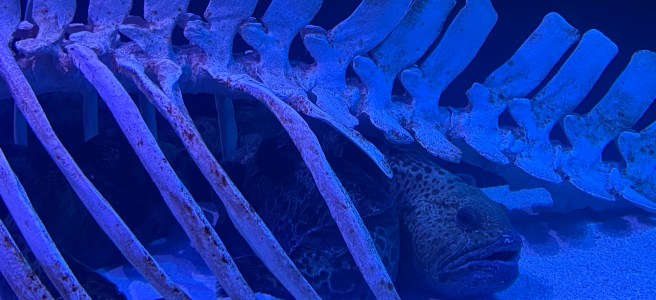
As a peninsula with over 13,000 km of Atlantic coastline, it is obvious that the ocean has a big influence on our lives. While in Nova Scotia, you are never more than 65 km (about 42 miles) from the coast. Whether it is fishing, tourism, the many beaches, surfing, enjoying the beauty of constantly changing water views or the amazement of the highest tides in the world, Nova Scotians are emotionally attached to that great big body of water. A big body of water that has given so much over the years and that now needs some TLC.
Last fall the Ocean Sciences Department at Dalhousie University in Halifax opened the Beaty Centre for Marine Biodiversity.
Here is some info from their website:
Beaty Centre for Marine Biodiversity is an engaging destination where families, school groups, and curious minds of all ages can explore the richness of marine biodiversity in our coastal waters and beyond. . . . At the heart is a mission to ignite a passion for ocean conservation.
Last week, we decided to go for a visit. And, as usual, I took loads of photos.
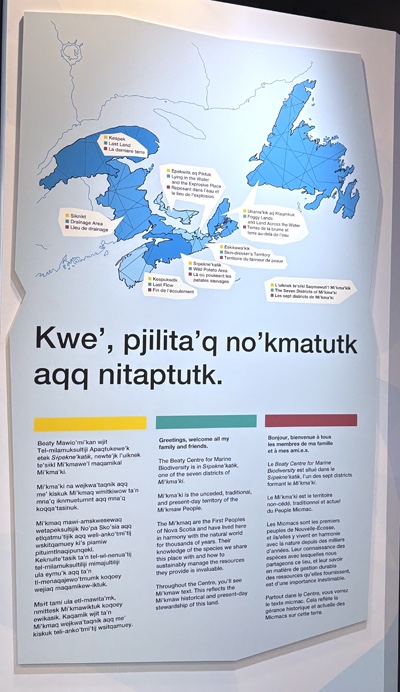
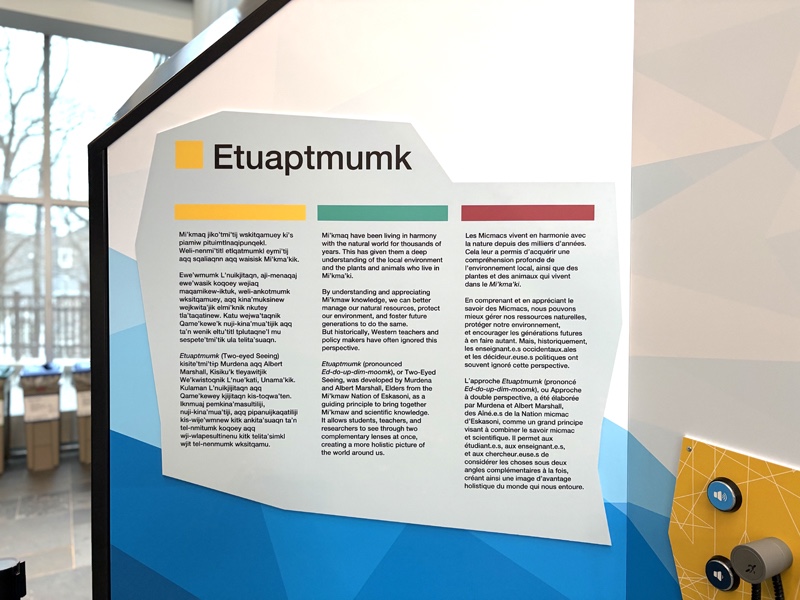
All signage is in three languages. Mi’kmaw to reflect the Mi’kmaw historical and present-day stewardship of the land, plus English and French. The Mi’qmaq people are the First Peoples of Nova Scotia. Their knowledge of the species and how to sustainably manage the resources is invaluable. (Source Beaty Centre Signage)
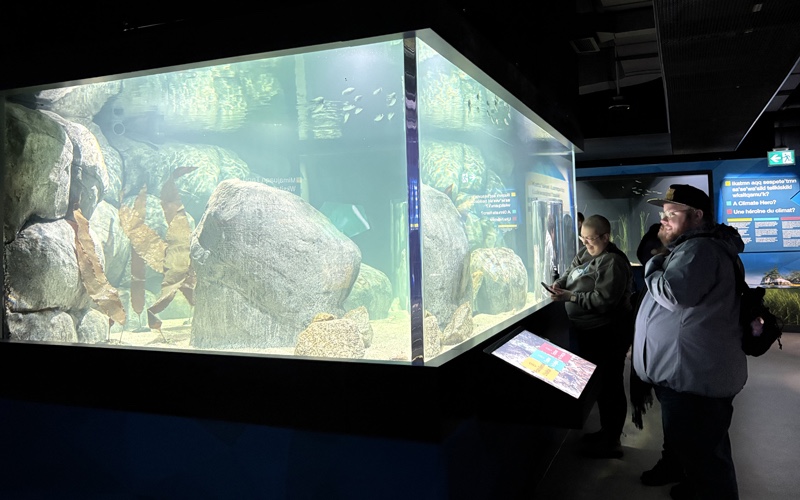
The exhibits are professional and inviting. Some are hands on, and all are kid and senior friendly. We can definitely vouch for the senior part.
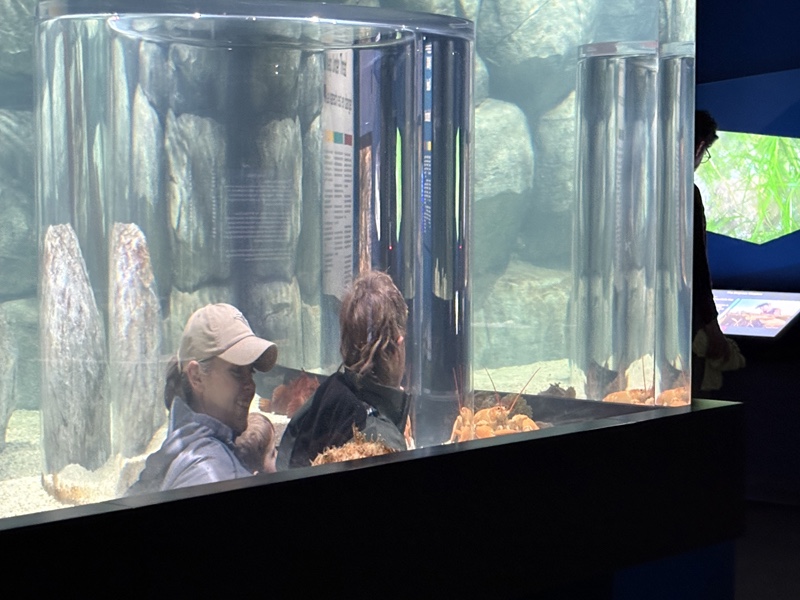

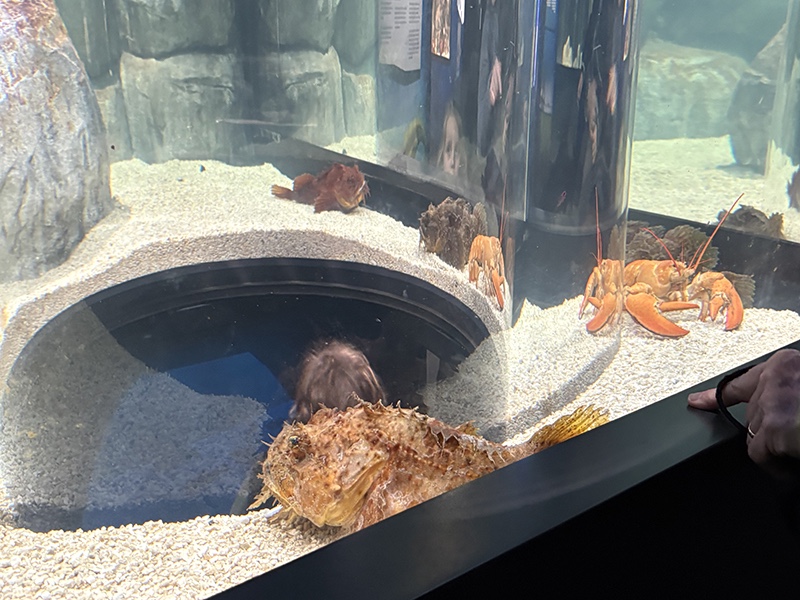
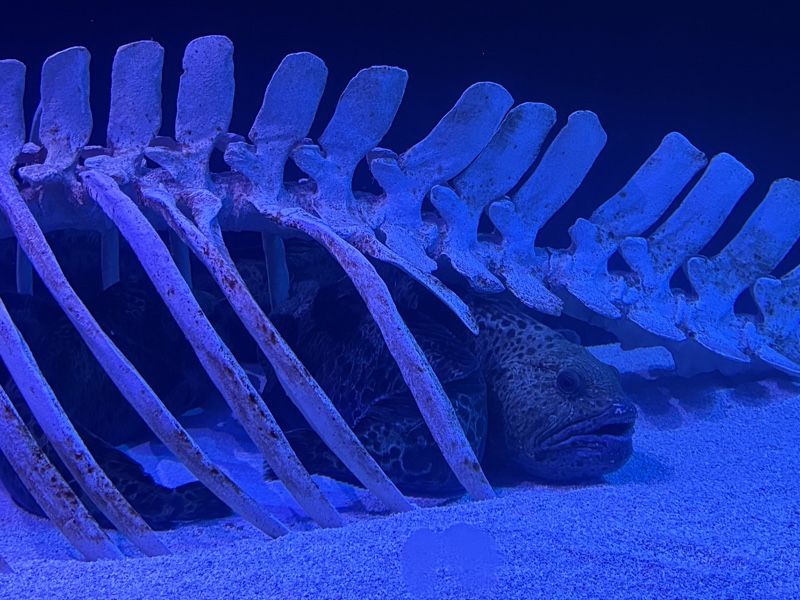
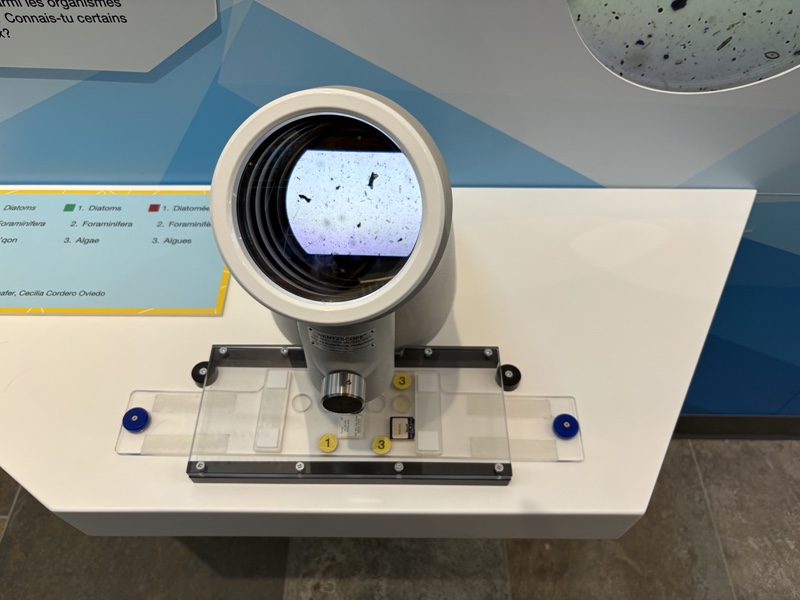
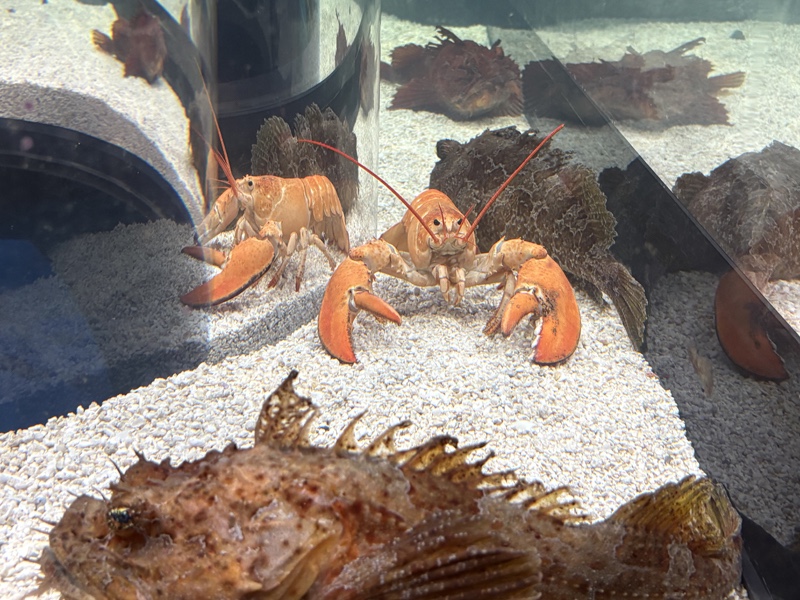
We learned about local species.
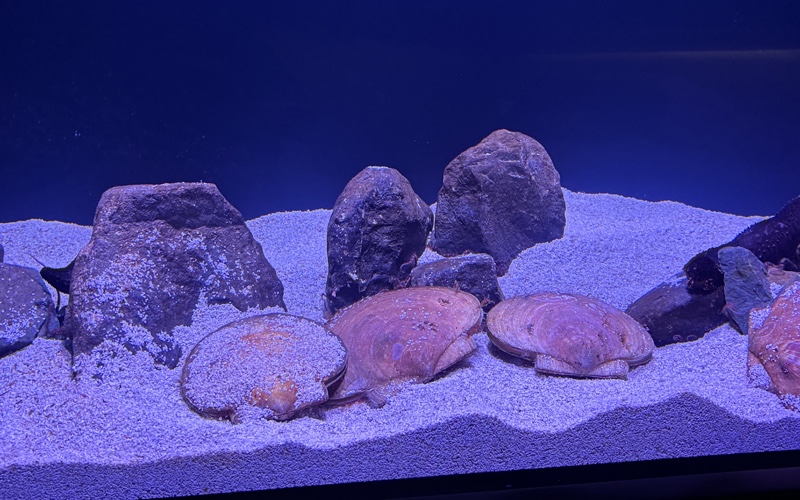
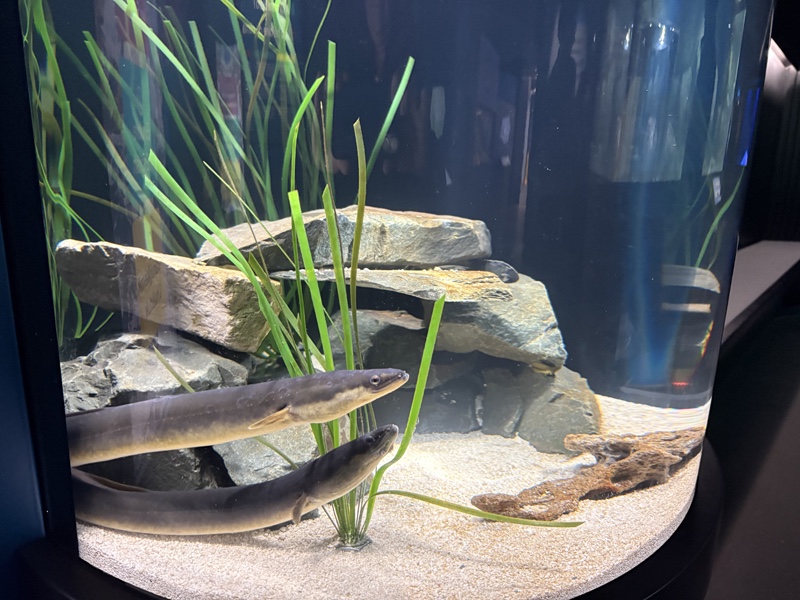

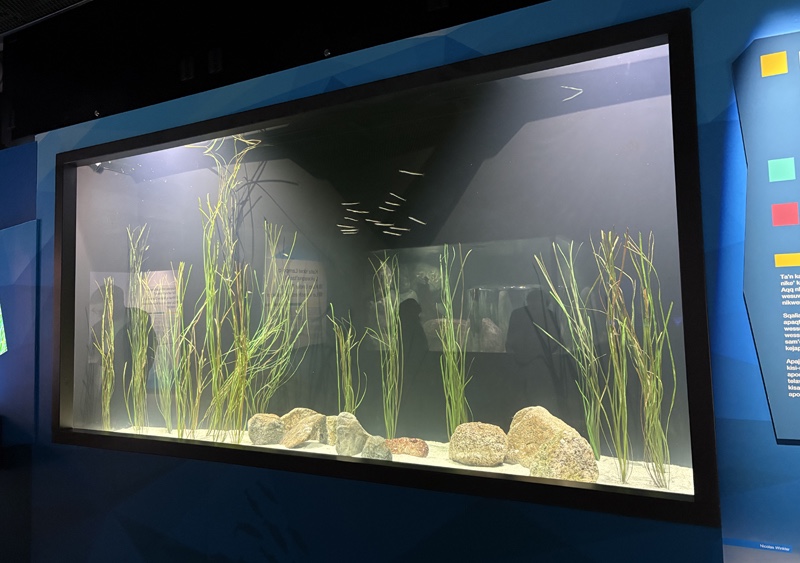
We learned about the importance of sea grasses
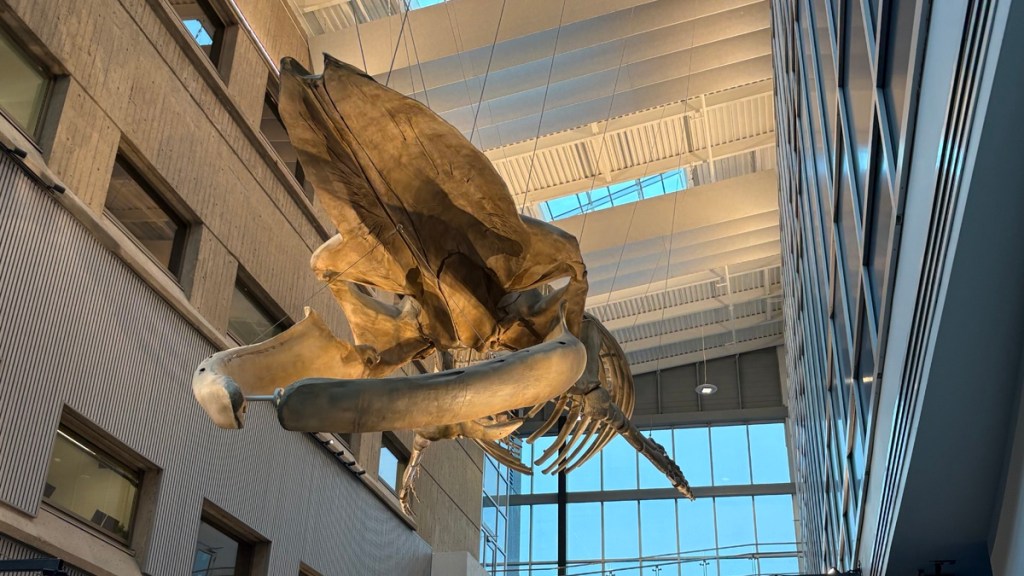
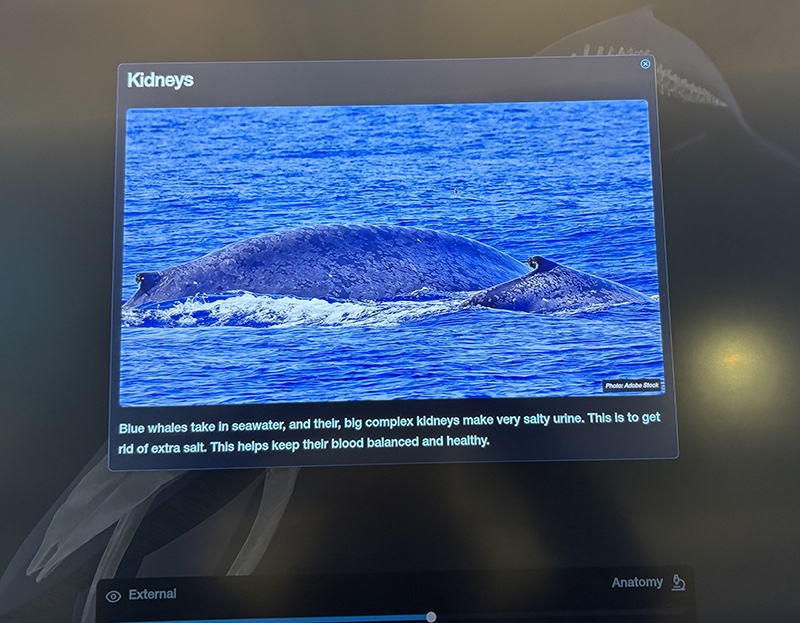
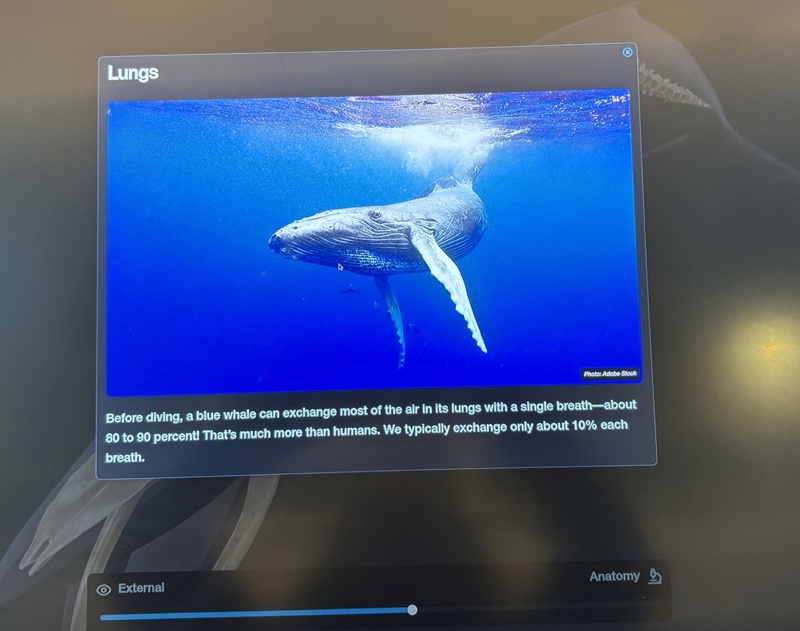
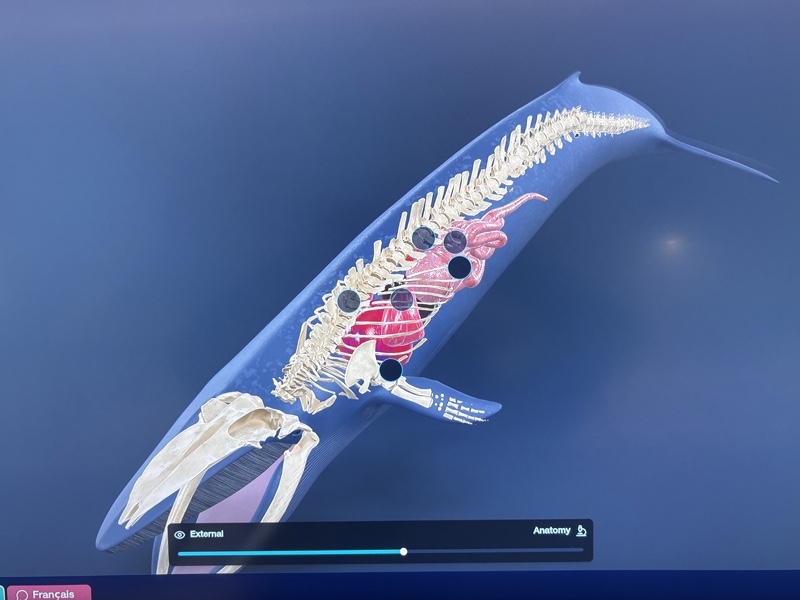
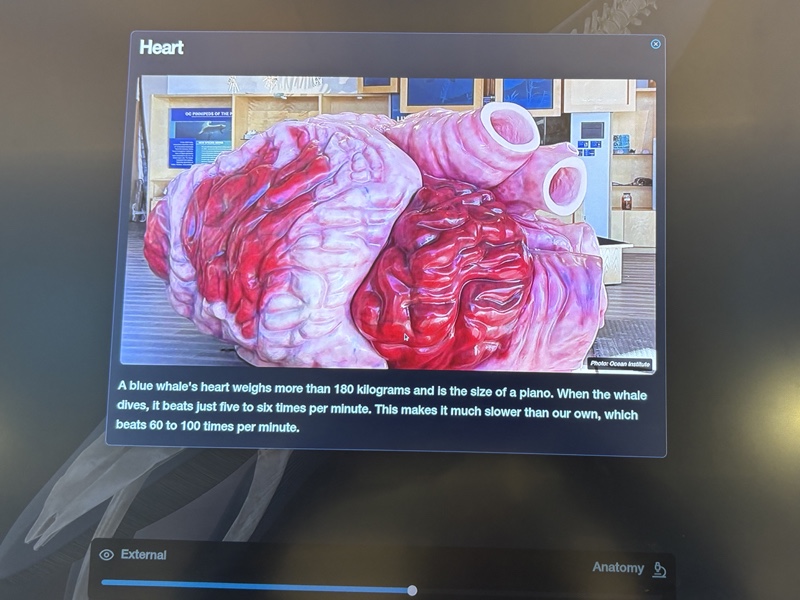
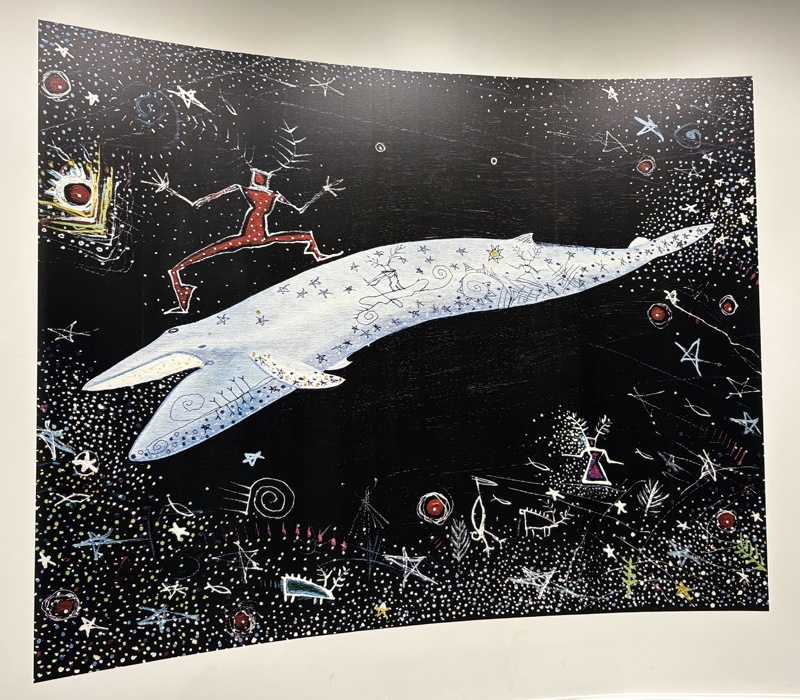
We learned about blue whales. A large skeleton of one hangs from the ceiling on the second floor.
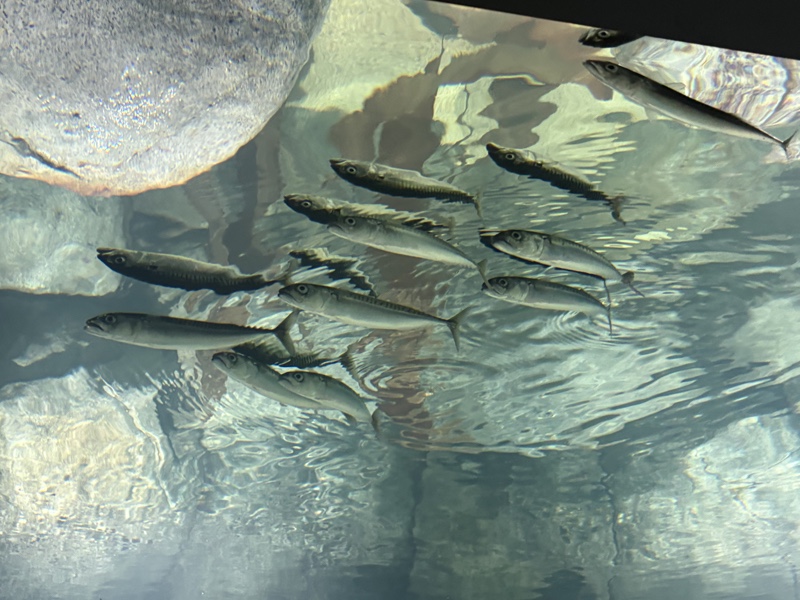
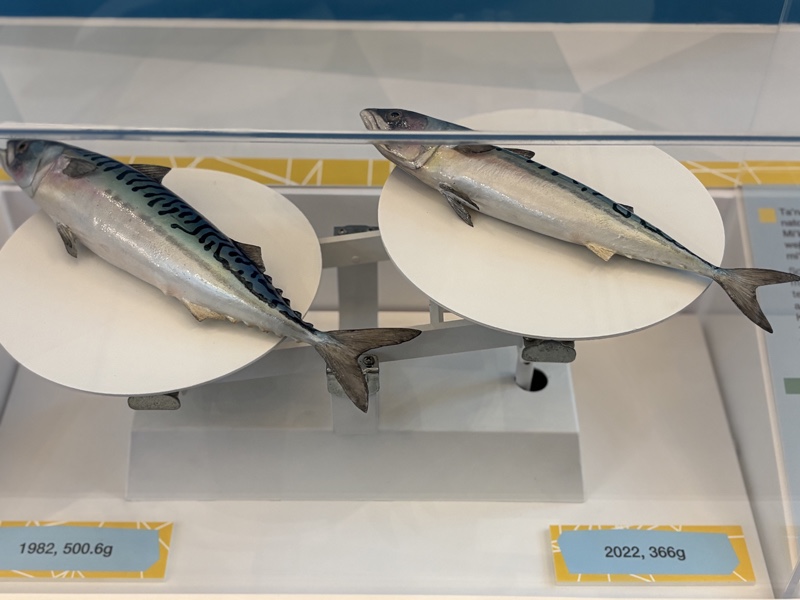
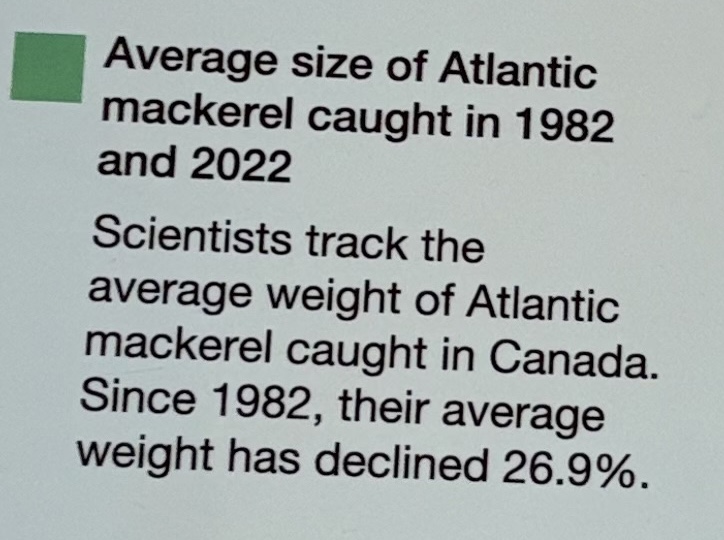
We learned about overfishing and the decline of the mackerel fish population.
We learned about garbage.

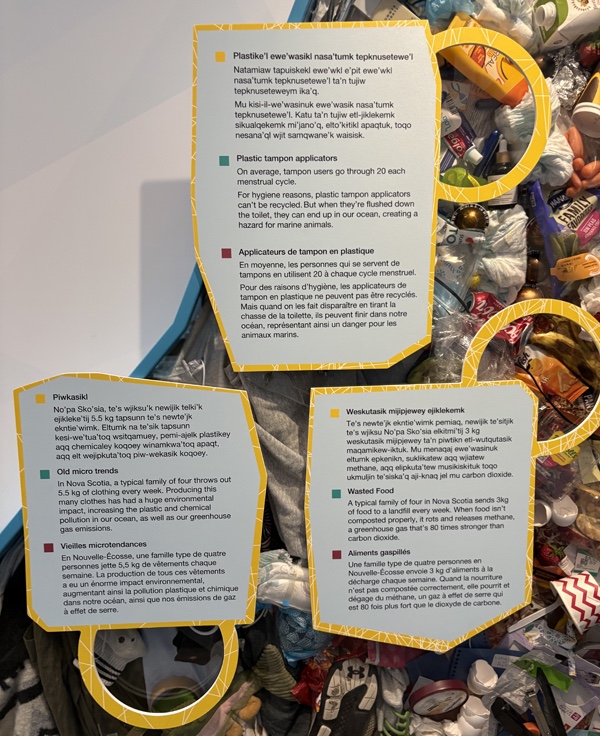
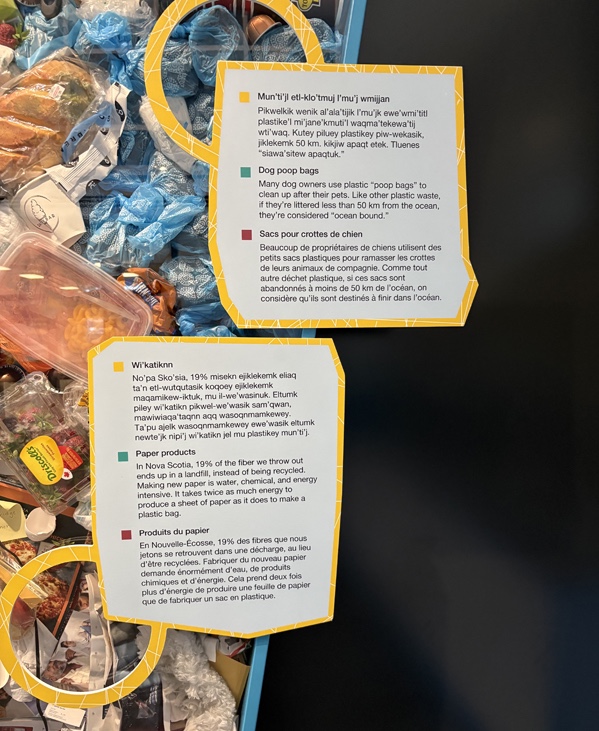
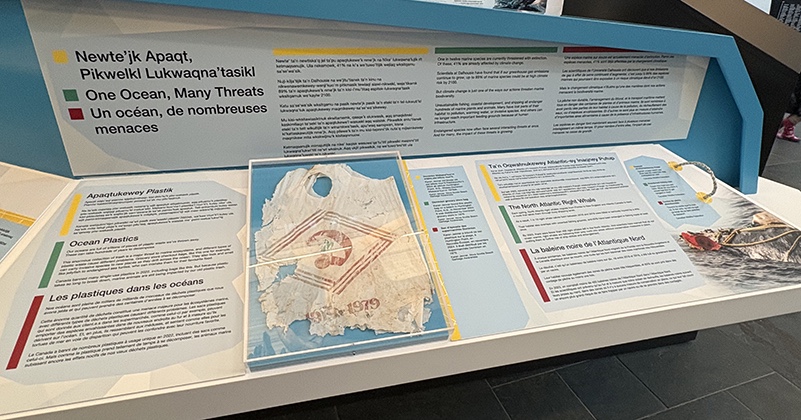
And so much more
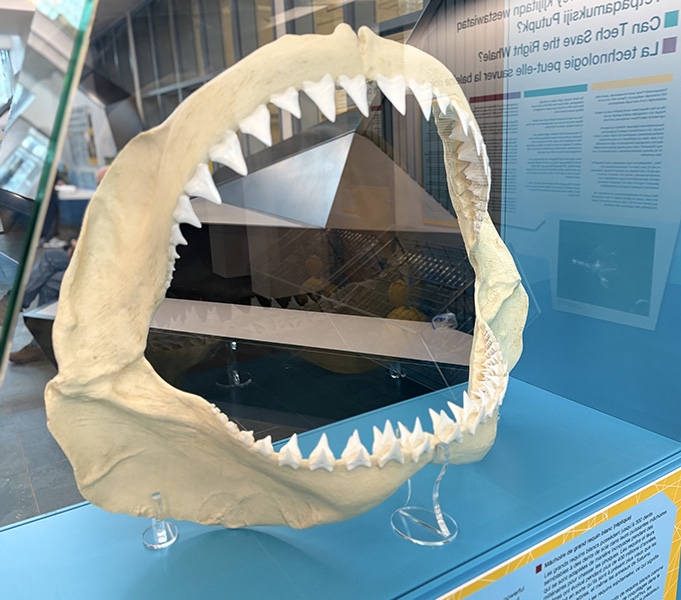
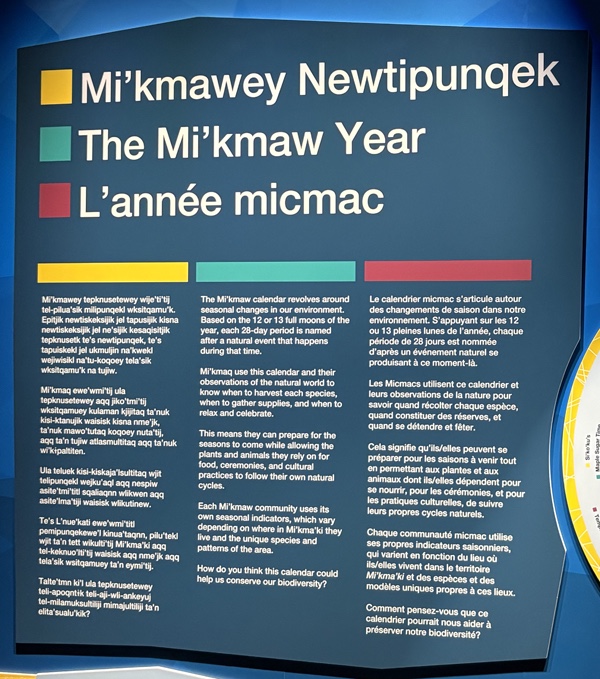
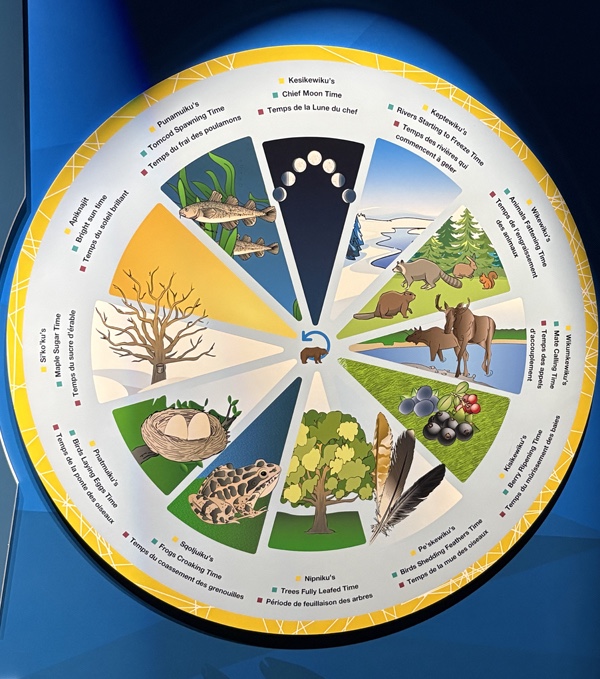
Plus we learned about Etuaptmumk also called Two-Eyed Seeing, which was developed as a guiding principle to bring together Mi’kmaw and scientific knowledge. (Source Beaty Centre Signage)
The staff were Dalhousie Ocean Science students and their passion for the place was wonderful to see. It was obvious that everyone there, kids and adults alike, were having an enjoyable and informative visit. So much so that I’m sure we will visit again.
Thank you for reading.
Photos: Jenn Stone
Recent posts:
 Still Bitchy After 60 Blog
Oh, so cool! My grandson would love this place next time he is in Nova Scotia.
LikeLiked by 1 person
Yes very cool. Has he been to Ripley’s aquarium in Toronto. It is amazing.
LikeLiked by 1 person
Yes, last year. It was a profound experience even though he was very young.
LikeLiked by 1 person
If I ever get to Nova Scotia (which I hope to some day), I will definitely put the Beaty Centre for Marine Biodiversity on my must-see list.
LikeLiked by 1 person
I hope you get to come as well.
LikeLike
Wow! I would love to visit some day! It looks very interesting. Thanks for the tour, Jenn. 😊
LikeLiked by 1 person
You’re welcome. It was very interesting and very well done.
LikeLiked by 1 person
The ocean is a wonderfully mysterious place. I’d enjoy visiting this.
LikeLiked by 2 people
We certainly enjoyed it.
LikeLiked by 1 person
The musuem looks very interesting Jenn. The garbage, though, is a sad reality, but at least they are educating people. Hopefully the message gets through. Maggie
LikeLiked by 1 person
Thanks Maggie. Unfortunately those who create most of the ocean garbage are not likely to visit this centre. The message only goes so far.
LikeLiked by 2 people
Very cool!!
LikeLiked by 1 person
that looks great and really informative. You could spend a long time browsing in there! Good that they have the primary signage in the primary people’s language and then ours.
Did it explain why mackerel were getting smaller rather than just fewer in numbers?
LikeLiked by 1 person
It was interesting and informative. The mackerel are smaller because their numbers are low. They have been overfished to the point that they didn’t get to grow to their former adult size. Smaller mackerel produce smaller mackerel
LikeLiked by 1 person
Thanks for the explanation – I didn’t know that. Our waters are over-fished but, when our fishermen tried to cut down, all the neighbouring European countries moved in and continued to take them!
LikeLiked by 1 person
Humans are a bit like vodka and cigarettes – OK in moderation but if I were designing a new world from scratch I wouldn’t include them this time round. :-(
LikeLiked by 1 person
They certainly are experts in messing things up.
LikeLiked by 1 person
:-)
LikeLike